
Dr Alison Kerr
Director of Customer Success

 Research Posters
|
May 15, 2026
|
5 min read
Demonstrating similarity to the reference product is essential to ensure comparable safety and efficacy for a biosimilar. For some formats, such as IgG2, IgG4 and engineered IgG1 variants, this may include confirming the absence of Fc-mediated binding and function. Regulators such as the CDSCO, FDA and EMA require robust evidence that all pertinent biological activities, whether present or absent, are matched to the originator, as differences may impact clinical outcomes.
However, assumptions about complete Fc silencing can be misleading, for example, LALA mutations often considered ‘silent’ may retain receptor interactions and residual activity. Advanced binding and functional assays are therefore critical to characterise Fc properties with high sensitivity and physiological relevance. This approach supports biosimilar developers in meeting regulatory expectations and achieving a totality of evidence framework for comparability.
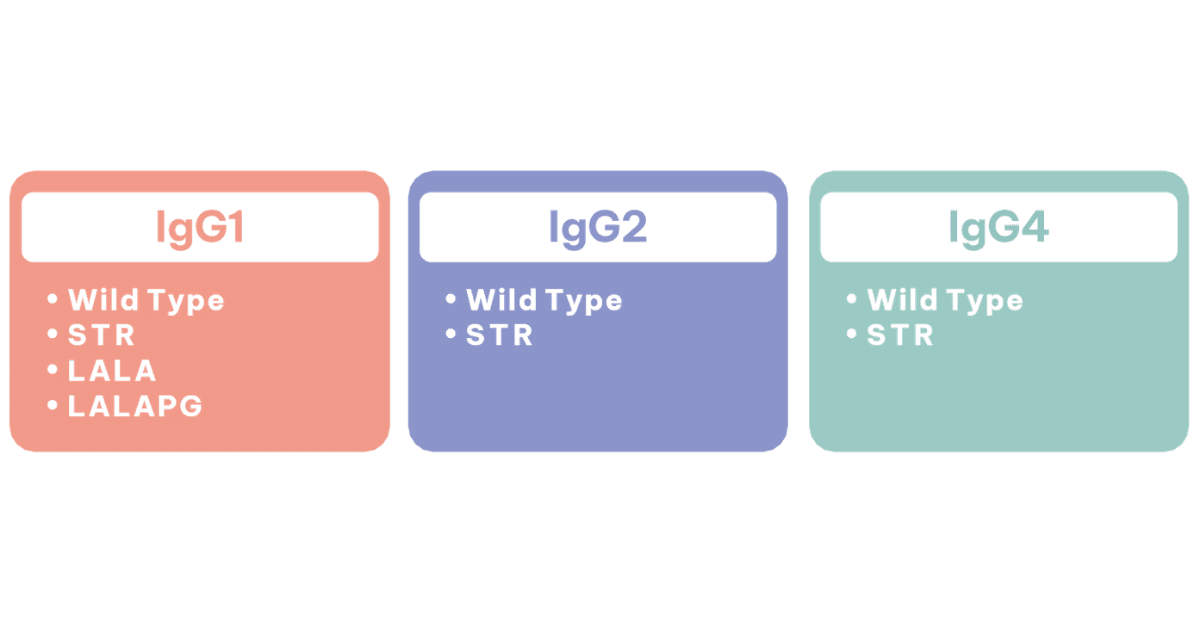
The lgG1 isotype exhibits strong FcγRllla and C1 q affinity, enabling ADCC and CDC activity. lgG2 and lgG4 isotypes show reduced effector function due to lower affinities, serving as safer alternatives with retained measurable activity. The LALA mutation, commonly used for silencing, decreases Fc interactions and functions. The LALAPG mutation further reduces these residual activities. Conversely, the STR mutation, involving three alterations in the Fe CH2 domain, fully abrogates Fe binding and effector functions while preserving other Fc properties.
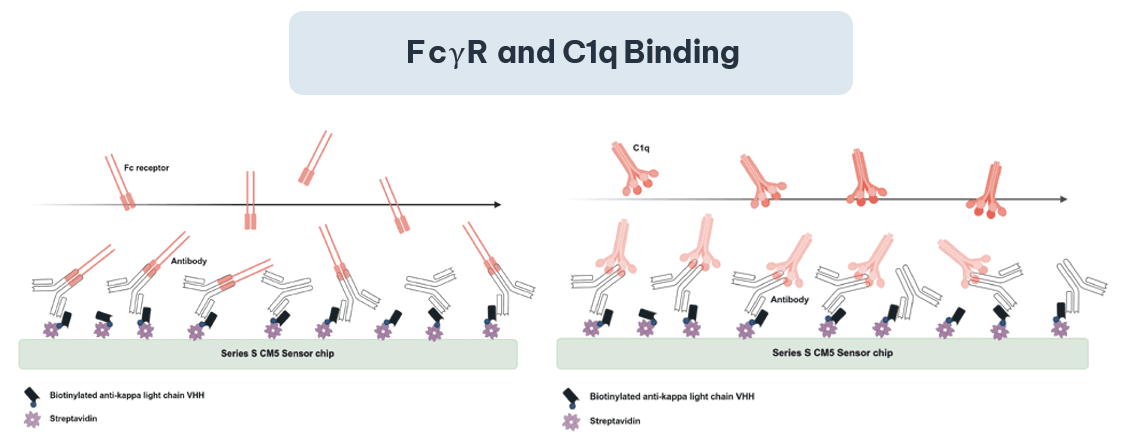
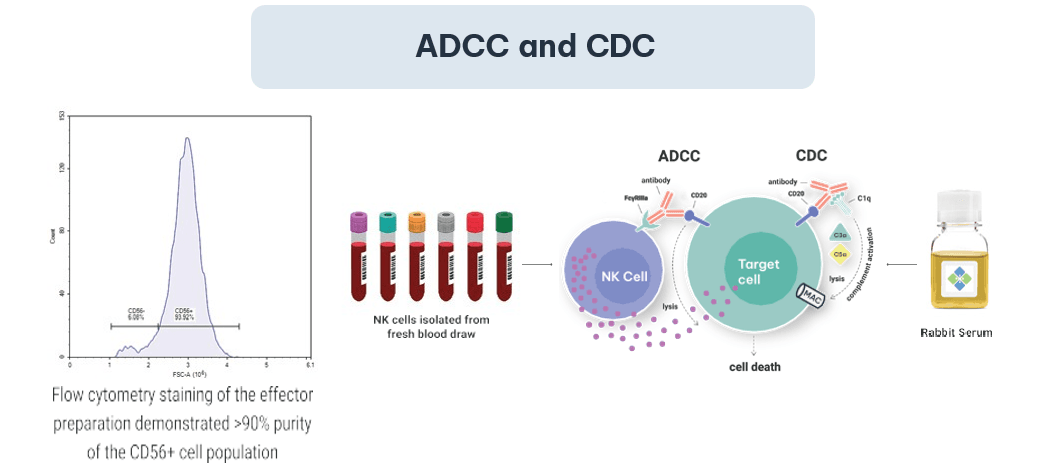
The antibodies were subject to testing in binding and functional assays, using RoukenBio's platform methodologies and standard assay designs
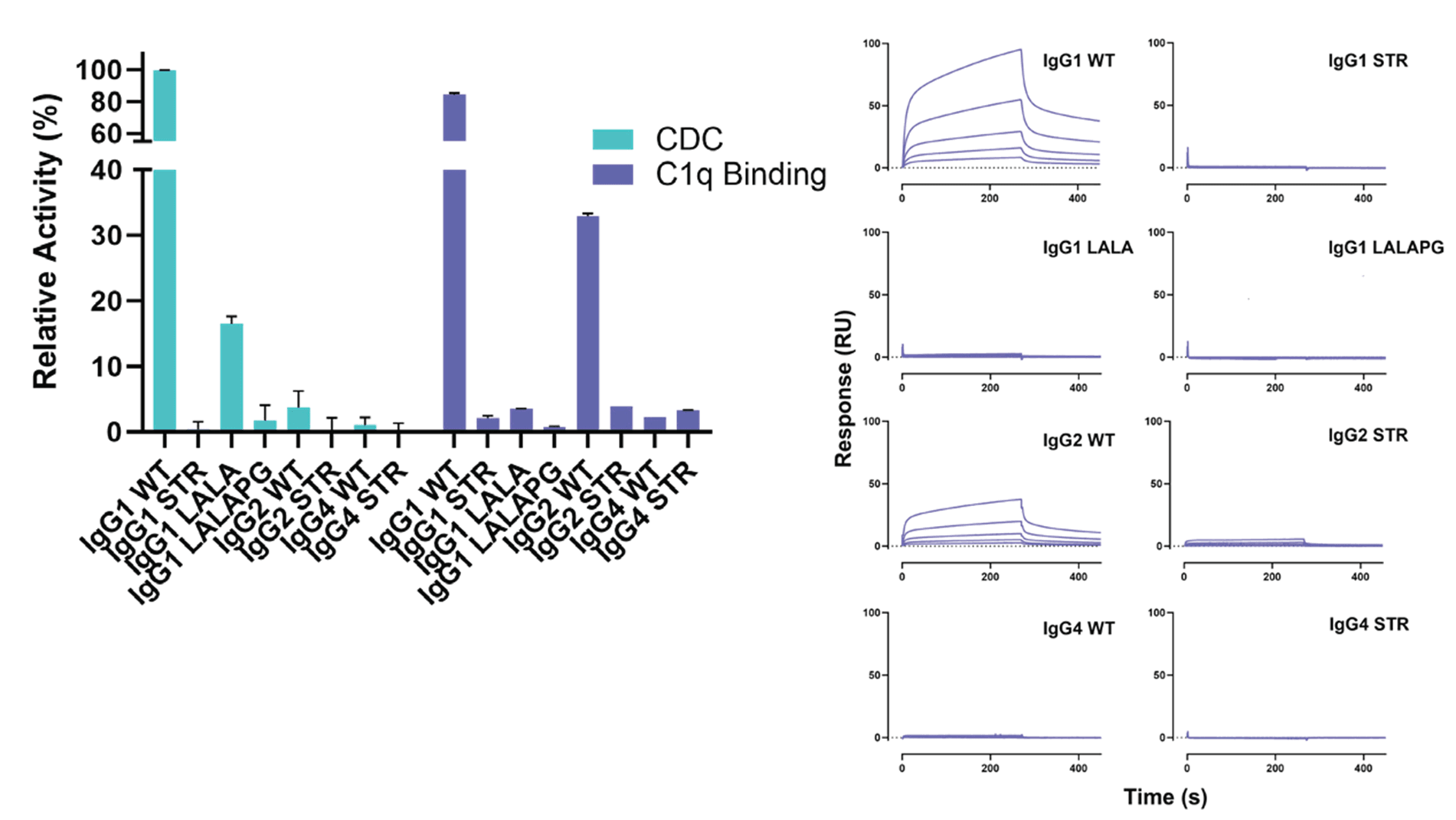
IgG1 wild type showed high C1q binding and CDC activity. In contrast, the variant panel demonstrated minimal effector function overall, with only modest residual activity observed for IgG1 LALA. Data highlights the importance of orthogonal testing and confirmation of residual function.
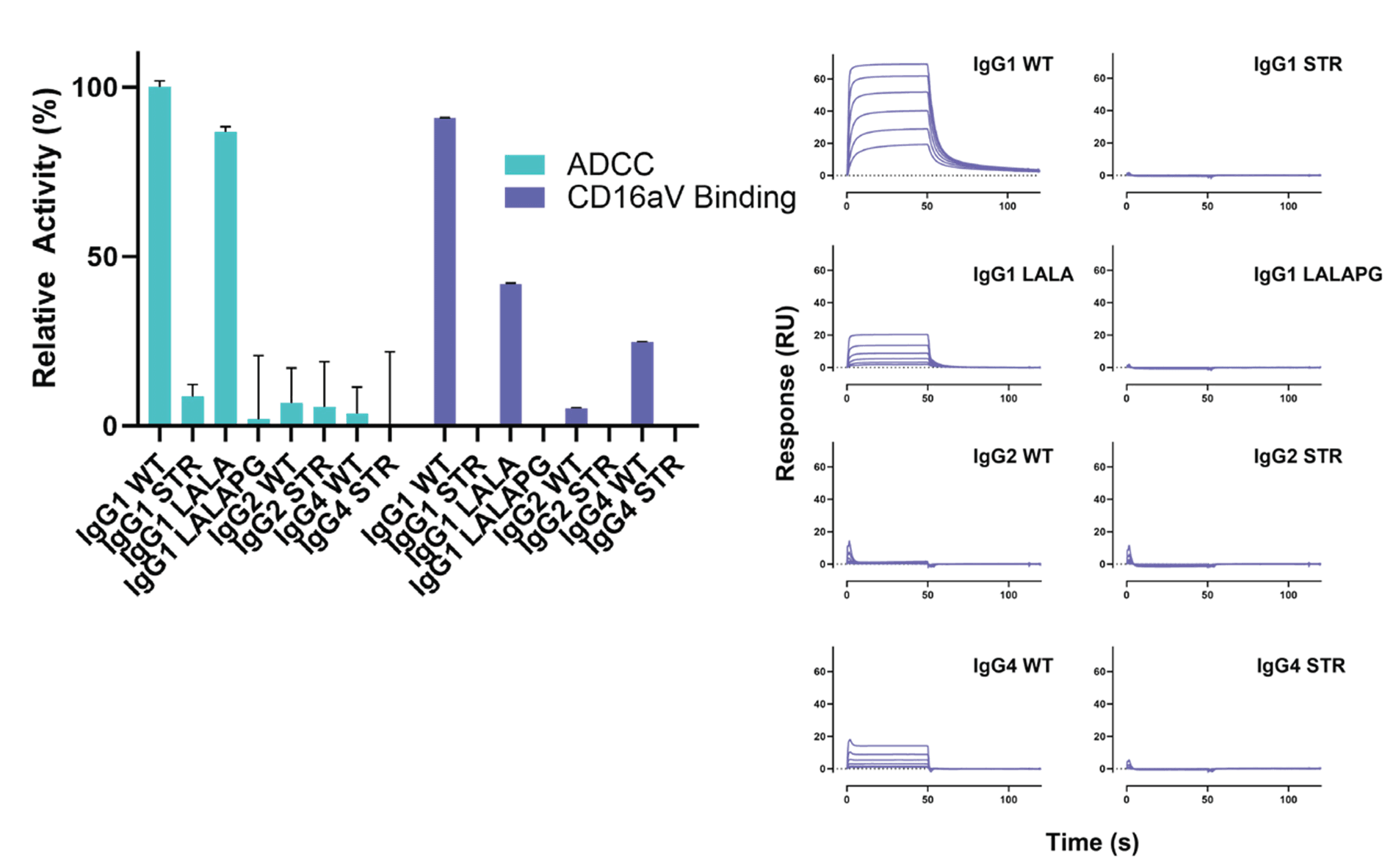
IgG1 wild-type showed strong CD16a binding and ADCC activity, while most of the variant panel significantly reduce these functions. By contrast, the IgG1 LALA mutation which is typically referred to as ‘silenced’ retained 42% of lgG1 WT's CD16aV binding and mediated 87% of its ADCC activity. The clinical significance of these activities should be carefully considered.
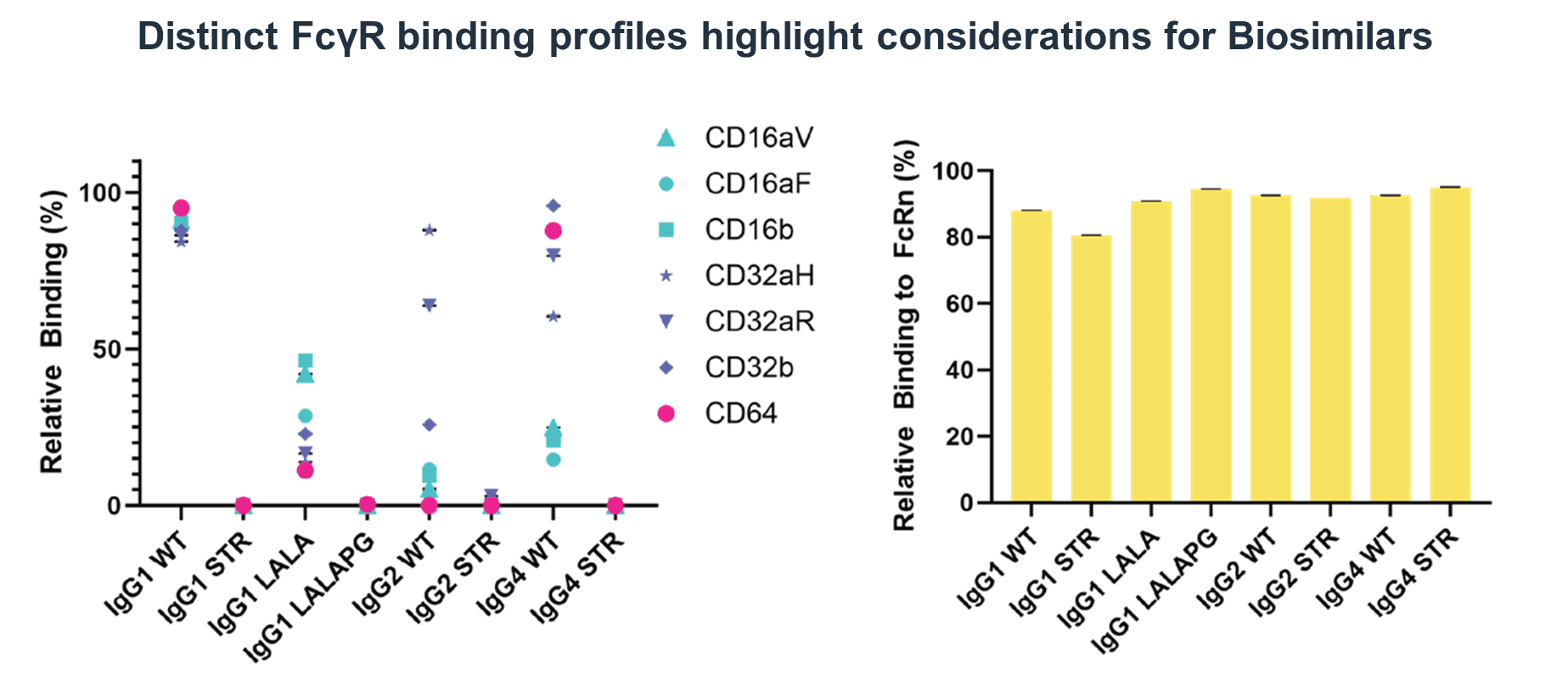
All IgG variants exhibited unique binding patterns across the Fcγ receptors. While IgG1 wild-type showed strong interactions, variants such as LALA, IgG2, and IgG4 retained binding to certain receptors, including CD64 and CD32, which are implicated in ADCP, whereas CD16 is more relevant to ADCC. Fc receptor engagement is not uniformly abolished by variant selection. For biosimilar development, the specific FcγR binding characteristics of the chosen IgG format is critical, influences effector functions and ultimately, clinical outcomes.
Demonstrating Fc functional similarity is critical for biosimilar antibodies to ensure comparable safety and efficacy to the reference product. Our data show that IgG subclasses and engineered variants exhibit distinct Fcγ receptor binding profiles and effector functions. While IgG1 wild-type engages multiple receptors strongly, variants such as LALA, IgG2, and IgG4 retain selective interactions with receptors linked to ADCP and ADCC, highlighting that Fc silencing is not absolute. Complement activation (C1q binding and CDC) and ADCC activity are similarly reduced but not uniformly abolished across variants. These findings emphasise the importance of comprehensive Fc characterisation, covering binding and functional assays to understand residual activity and its clinical relevance.
🗓️ Stay informed with our monthly scientific newsletter, published on LinkedIn on the last Wednesday of each month.
These editions bring you the latest in drug development breakthroughs, industry trends, and expert insights from the brilliant minds at RoukenBio.
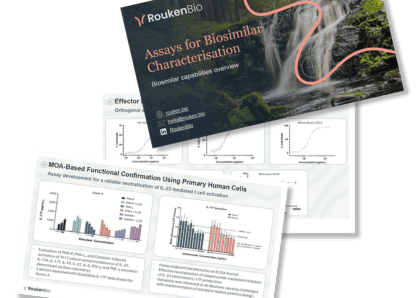
Subscribe today on LinkedInExplore our biosimilar expertise in depth with a detailed slide deck featuring sample data and a real-world case study.


 Webinars