
Dr Luke Muir
Associate Scientific Director (Immuno-oncology)

 Research Posters
|
November 17, 2026
|
4 min read
The field of immuno-oncology has gained significant attention in recent years due to the ability of the immune system to recognise and eliminate cancer cells. Different subtypes of primary human immune cells, such as regulatory T cells, NK cells, macrophages, T cells and exhausted T cells, play important roles in the tumour microenvironment. In vitro assays using these cells can support the evaluation of new immuno-oncology therapies.
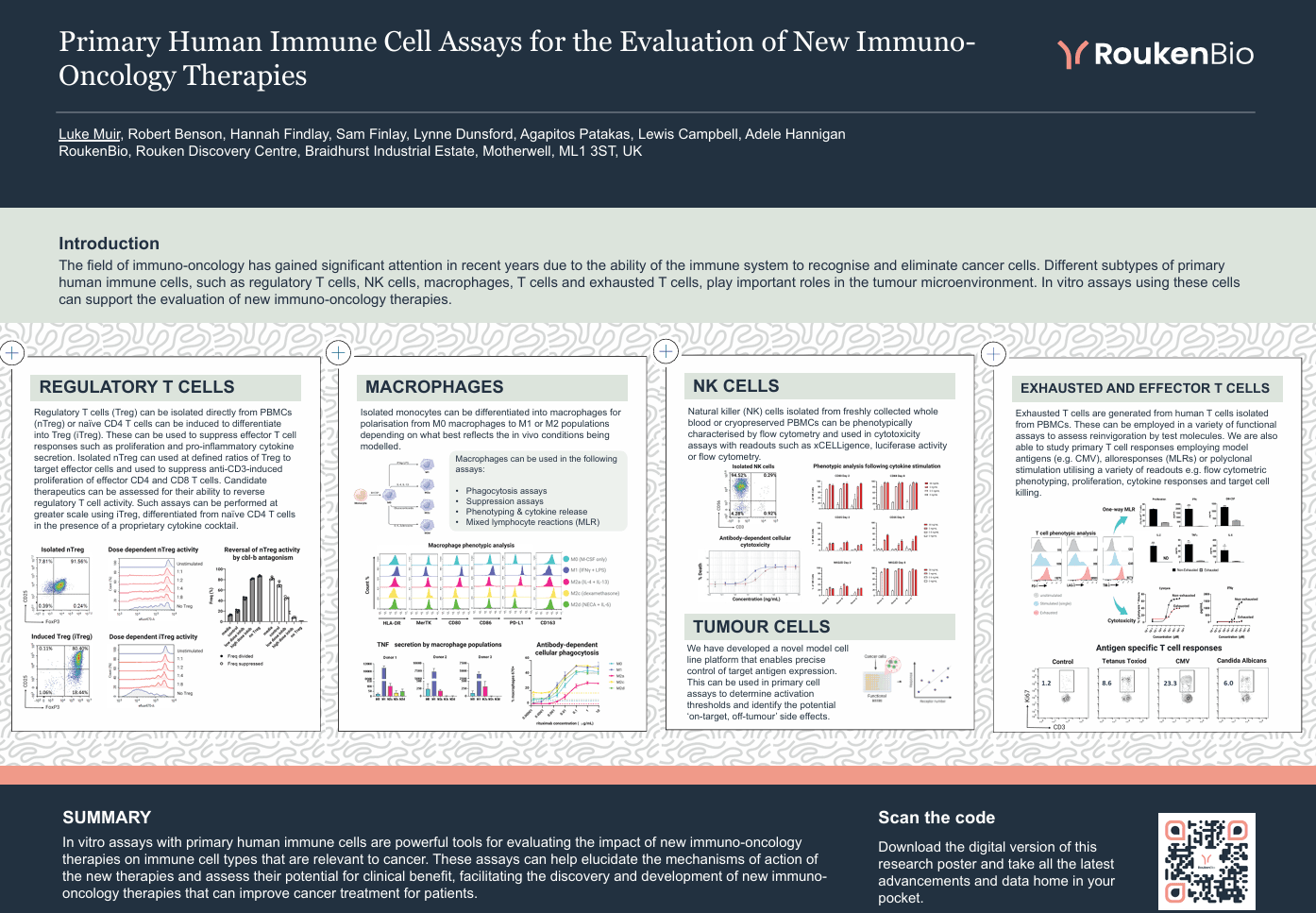
Regulatory T cells (Treg) can be isolated directly from PBMCs (nTreg) or naïve CD4 T cells can be induced to differentiate into Treg (iTreg). These can be used to suppress effector T cell responses such as proliferation and pro-inflammatory cytokine secretion. Isolated nTreg can used at defined ratios of Treg to target effector cells and used to suppress anti-CD3-induced proliferation of effector CD4 and CD8 T cells. Candidate therapeutics can be assessed for their ability to reverse regulatory T cell activity. Such assays can be performed at greater scale using iTreg, differentiated from naïve CD4 T cells in the presence of a proprietary cytokine cocktail.
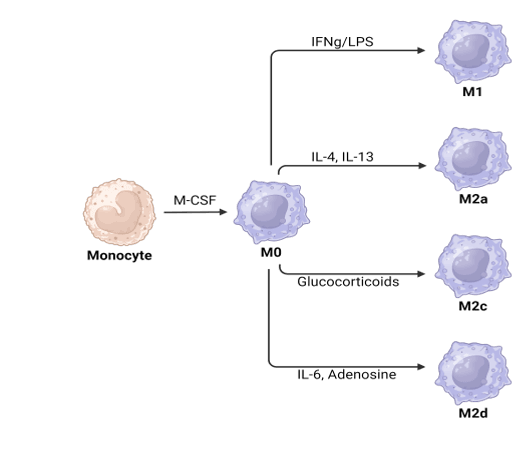
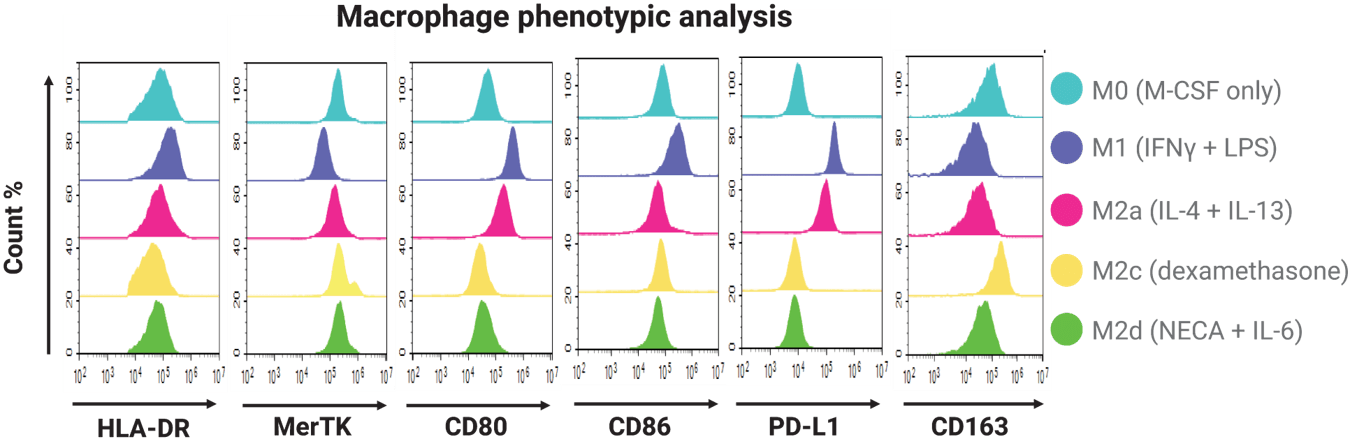
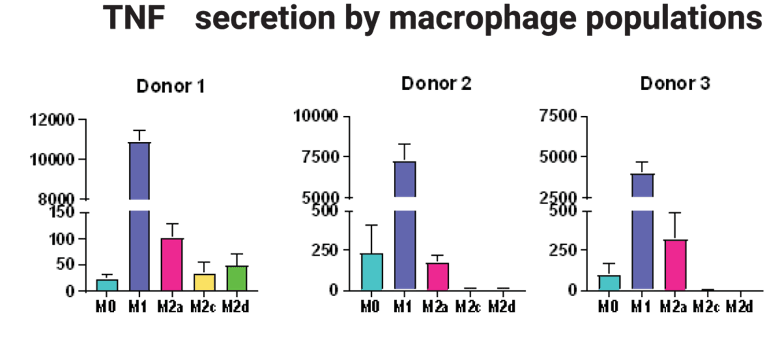
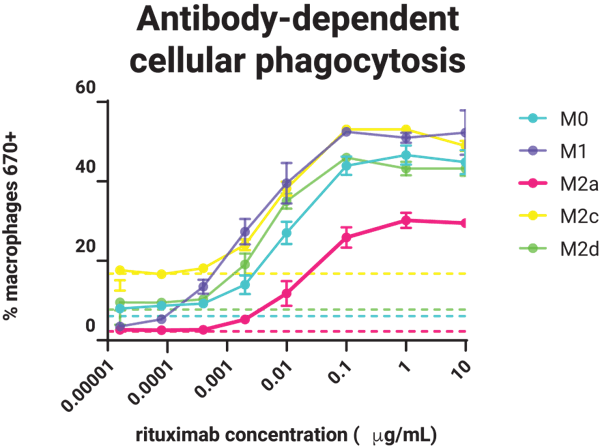
Isolated monocytes can be differentiated into macrophages for polarisation from M0 macrophages to M1 or M2 populations depending on what best reflects the in vivo conditions being modelled.
Macrophages can be used in the following assays:
Mixed lymphocyte reactions (MLR)
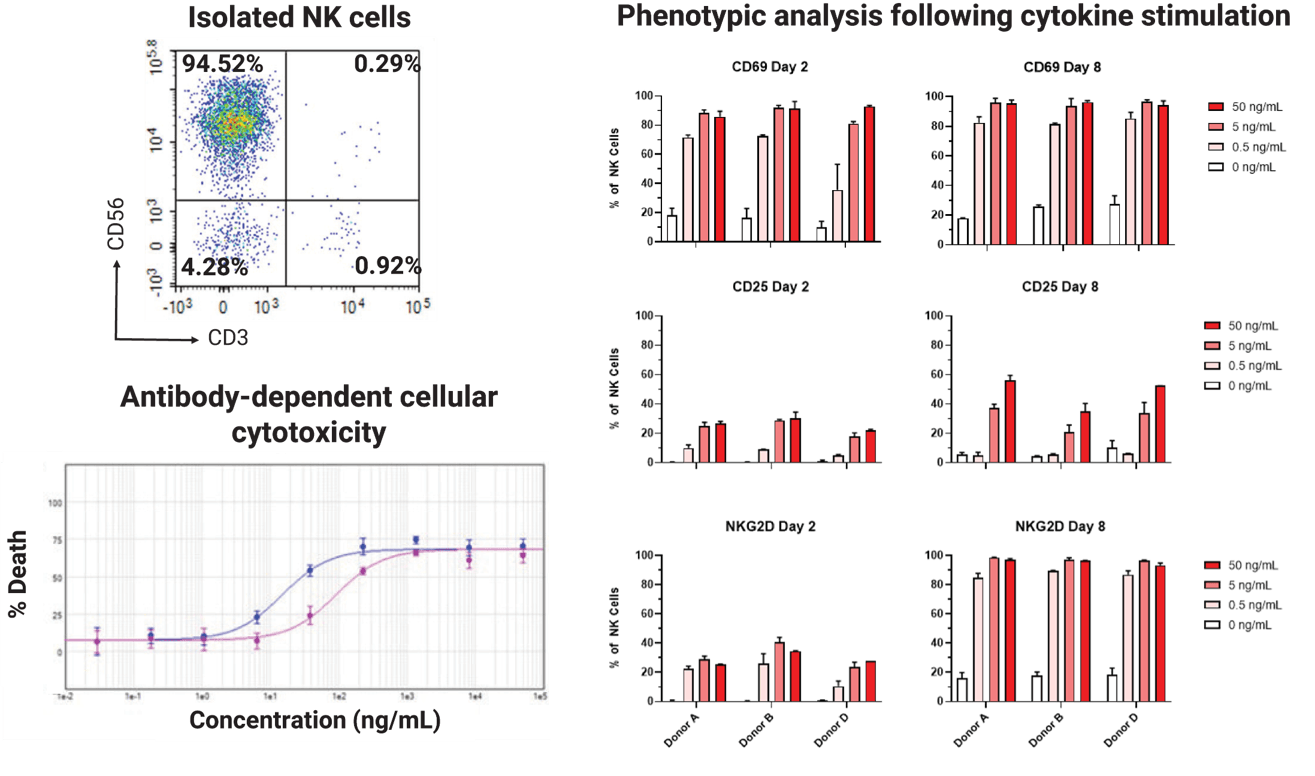
Natural killer (NK) cells isolated from freshly collected whole blood or cryopreserved PBMCs can be phenotypically characterised by flow cytometry and used in cytotoxicity assays with readouts such as xCELLigence, luciferase activity or flow cytometry.
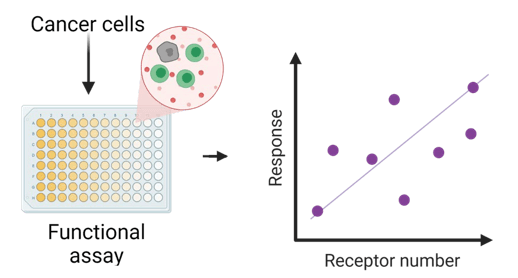
We have developed a novel model cell line platform that enables precise control of target antigen expression. This can be used in primary cell assays to determine activation thresholds and identify the potential ‘on-target, off-tumour’ side effects.
Exhausted T cells are generated from human T cells isolated from PBMCs. These can be employed in a variety of functional assays to assess reinvigoration by test molecules. We are also able to study primary T cell responses employing model antigens (e.g. CMV), alloresponses (MLRs) or polyclonal stimulation utilising a variety of readouts e.g. flow cytometric phenotyping, proliferation, cytokine responses and target cell killing.
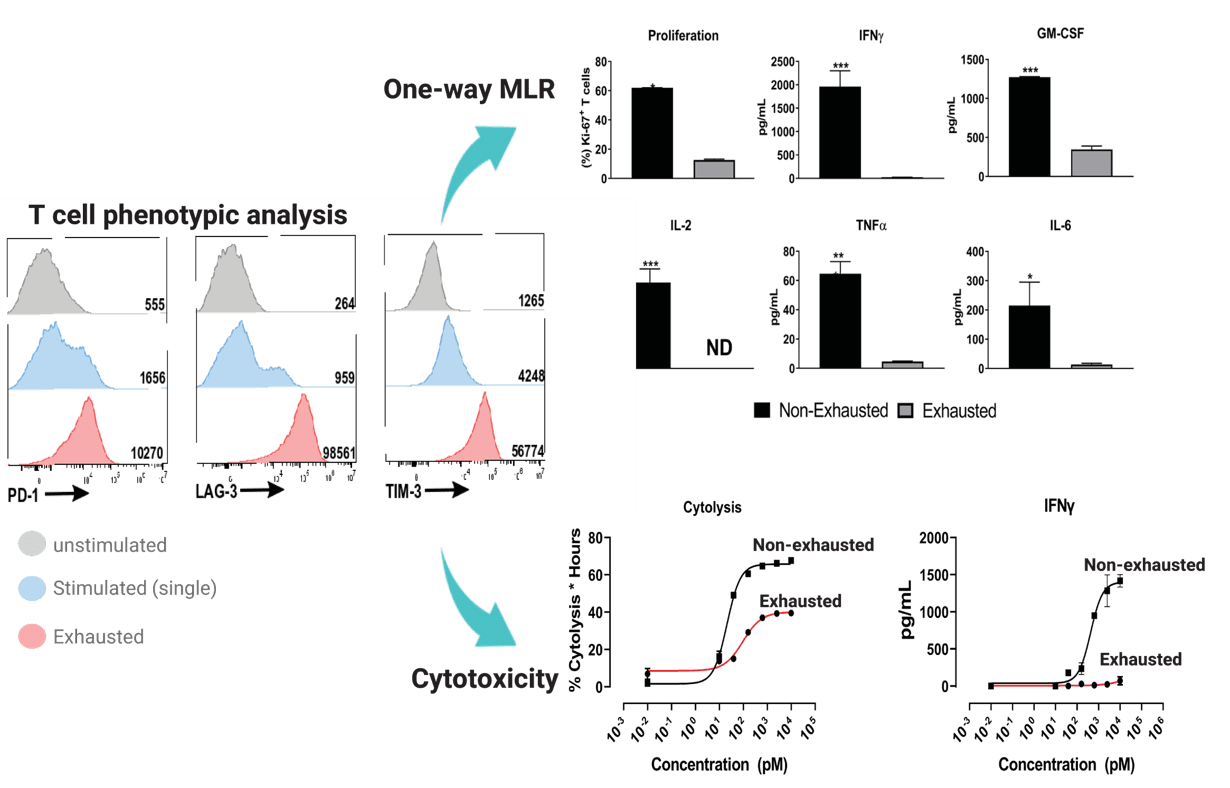
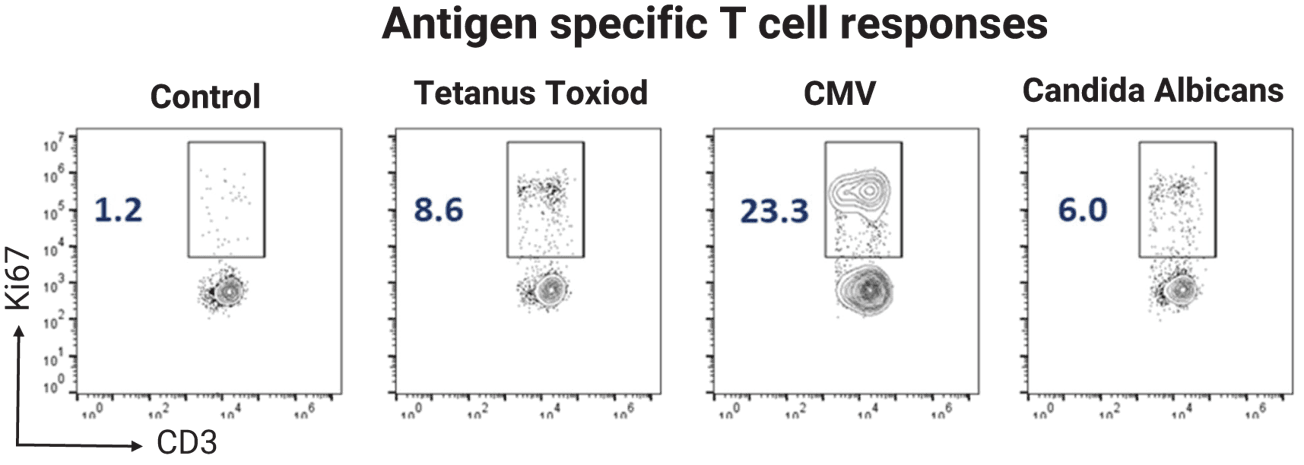
In vitro assays with primary human immune cells are powerful tools for evaluating the impact of new immuno-oncology therapies on immune cell types that are relevant to cancer. These assays can help elucidate the mechanisms of action of the new therapies and assess their potential for clinical benefit, facilitating the discovery and development of new immuno-oncology therapies that can improve cancer treatment for patients.
Discover our range of primary human cell assays, advanced models and scientific expertise designed to support the evaluation and development of novel therapeutics.

Access our Brochure
🗓️ Stay informed with our monthly scientific newsletter, published on LinkedIn on the last Wednesday of each month.
These editions bring you the latest in drug development breakthroughs, industry trends, and expert insights from the brilliant minds at RoukenBio.
Subscribe today on LinkedIn
 Insights
 Technical Presentations
 Webinars
 Videos