
Dr Daria Paruzina
Scientific Director of Innovation

Dr Athanasios Koulis
KTP Associate

 Research Posters
|
October 26, 2026
|
5 min read
Translation of preclinical findings into effective therapies remains limited by conventional models that fail to capture the complex immune, stromal and inflammatory interactions present in human disease. To address this, we developed two complementary patient-derived ex vivo platforms spanning immuno-oncology and inflammatory disease: a colorectal cancer (CRC) tumoroid system assembled bottom-up with autologous tumour-infiltrating lymphocytes (TILs) and cancer-associated fibroblasts (CAFs), and an intact human intestinal biopsy platform for inflammatory bowel disease (IBD). Both generate functional readouts to therapeutic intervention while capturing donor-to-donor heterogeneity.
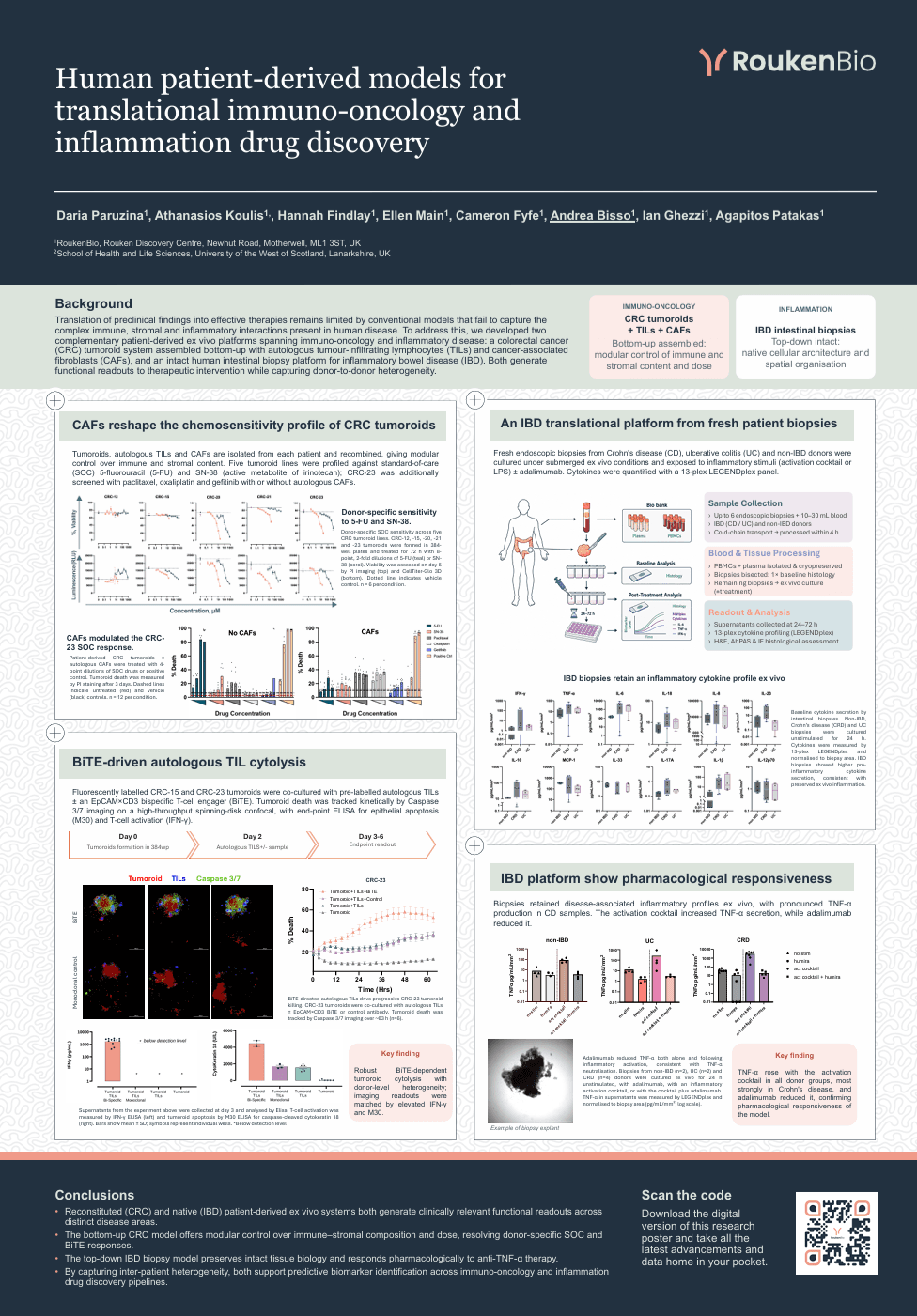
Tumoroids, autologous TILs and CAFs are isolated from each patient and recombined, giving modular control over immune and stromal content. Five tumoroid lines were profiled against standard-of-care (SOC) 5-fluorouracil (5-FU) and SN-38 (active metabolite of irinotecan); CRC-23 was additionally screened with paclitaxel, oxaliplatin and gefitinib with or without autologous CAFs.
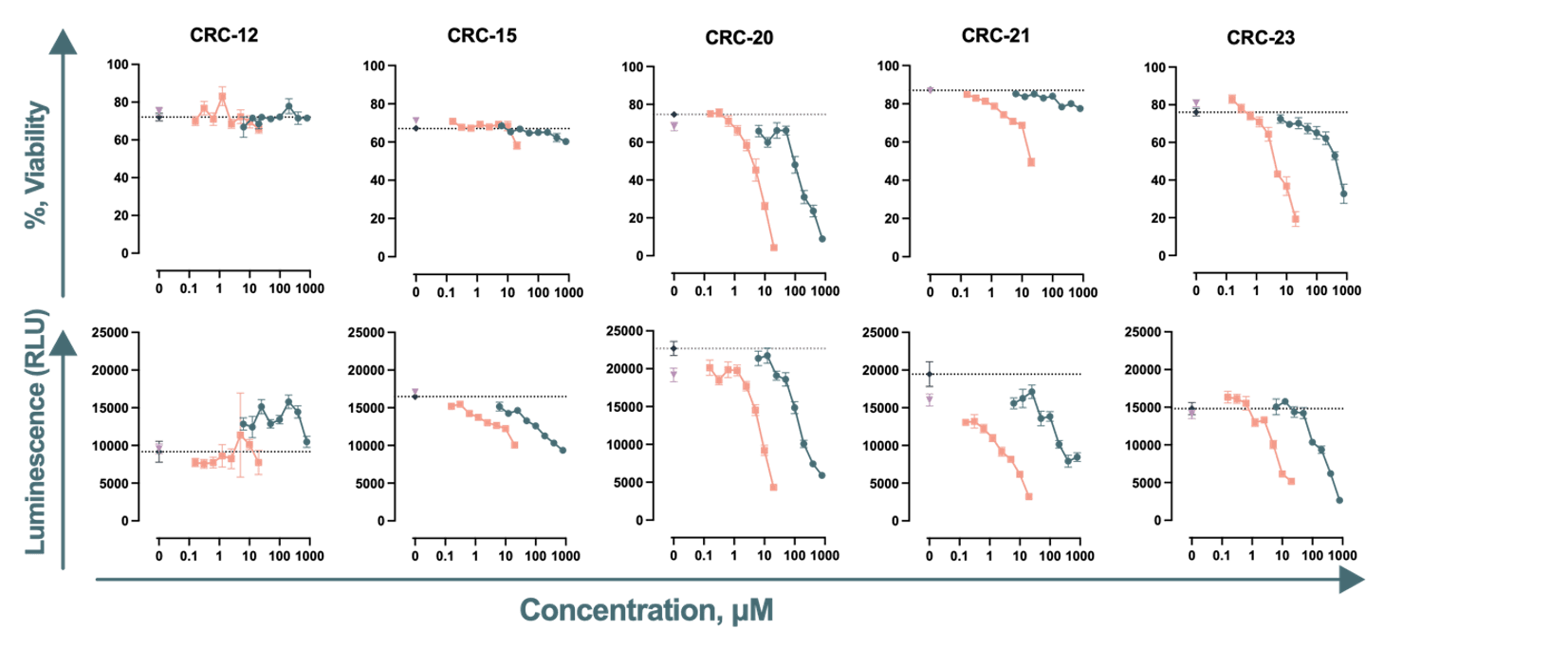
Donor-specific SOC sensitivity across five CRC tumoroid lines. CRC-12, -15, -20, -21 and -23 tumoroids were formed in 384well plates and treated for 72 h with 8point, 2-fold dilutions of 5-FU (teal) or SN38 (coral). Viability was assessed on day 5 by PI imaging (top) and CellTiter-Glo 3D (bottom). Dotted line indicates vehicle control. n = 6 per condition.
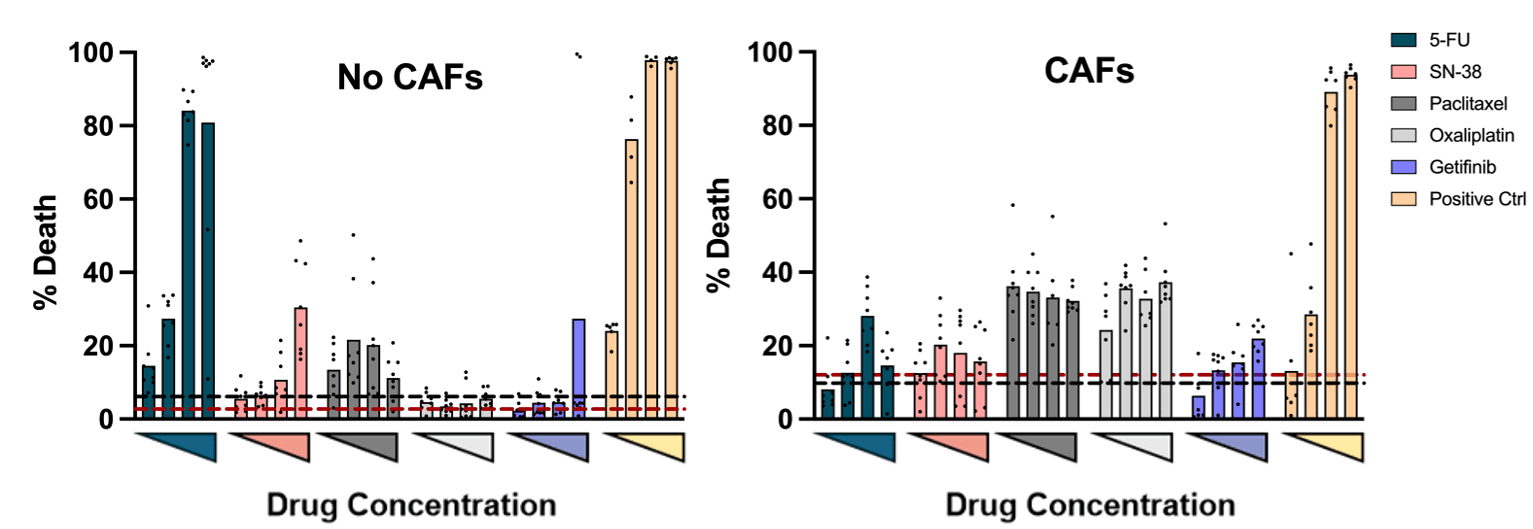
Patient-derived CRC tumoroids ± autologous CAFs were treated with 4point dilutions of SOC drugs or positive control. Tumoroid death was measured by PI staining after 3 days. Dashed lines indicate untreated (red) and vehicle (black) controls. n = 12 per condition.
Fluorescently labelled CRC-15 and CRC-23 tumoroids were co-cultured with pre-labelled autologous TILs ± an EpCAM×CD3 bispecific T-cell engager (BiTE). Tumoroid death was tracked kinetically by Caspase 3/7 imaging on a high-throughput spinning-disk confocal, with end-point ELISA for epithelial apoptosis (M30) and T-cell activation (IFN-γ).

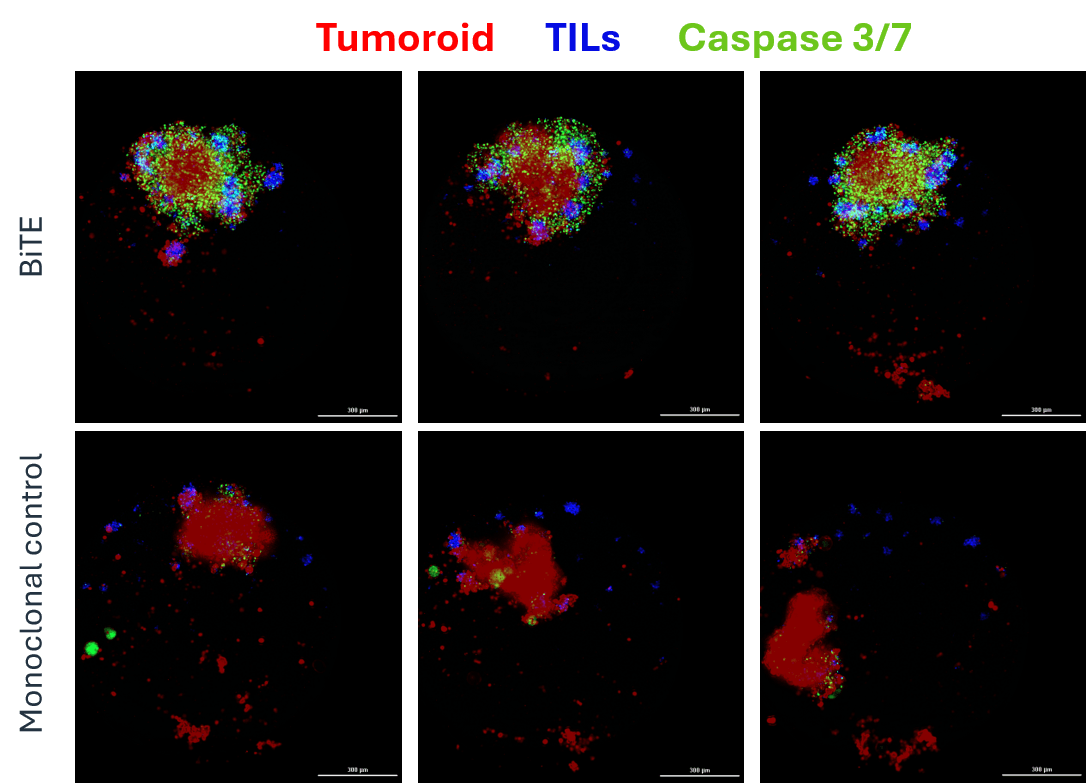
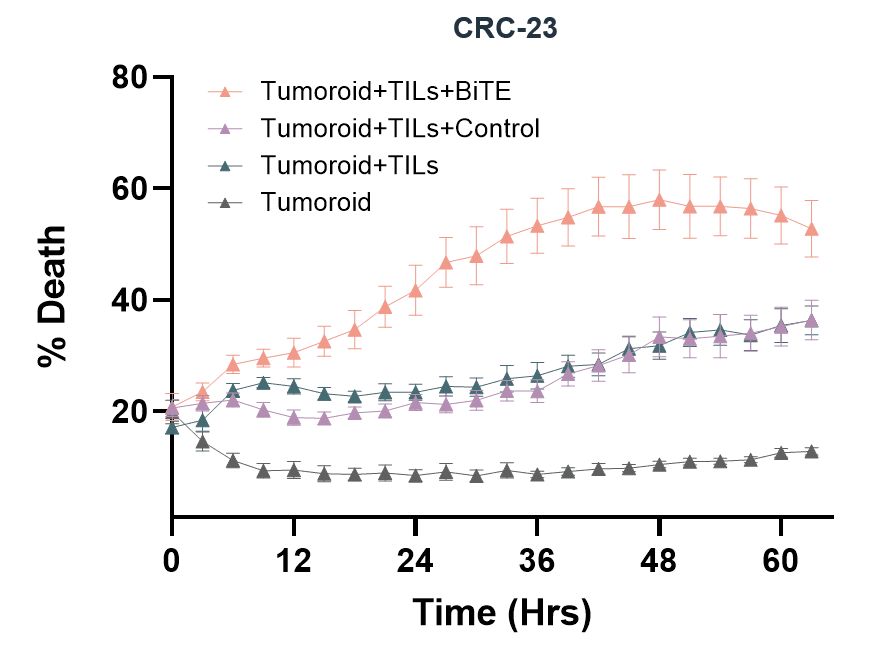
BiTE-directed autologous TILs drive progressive CRC-23 tumoroid killing. CRC-23 tumoroids were co-cultured with autologous TILs ± EpCAM×CD3 BiTE or control antibody. Tumoroid death was tracked by Caspase 3/7 imaging over ~63 h (n=6).
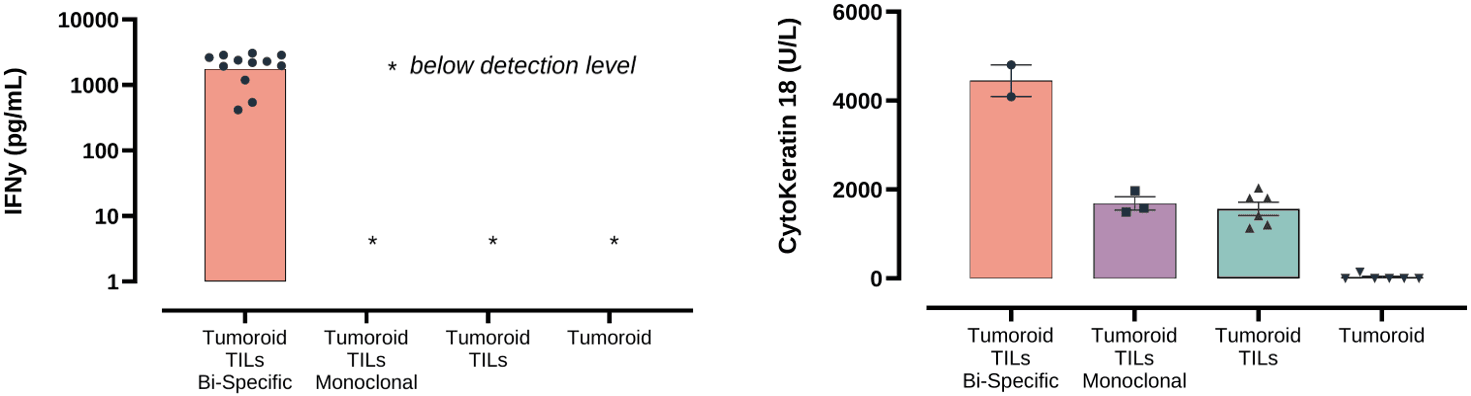
Supernatants from the experiment above were collected at day 3 and analysed by Elisa. T-cell activation was measured by IFN-γ ELISA (left) and tumoroid apoptosis by M30 ELISA for caspase-cleaved cytokeratin 18 (right). Bars show mean ± SD; symbols represent individual wells. *Below detection level
Key Finding: Robust BiTE-dependent tumoroid cytolysis with donor-level heterogeneity; imaging readouts were matched by elevated IFN-γ and M30.
Fresh endoscopic biopsies from Crohn's disease (CD), ulcerative colitis (UC) and non-IBD donors were cultured under submerged ex vivo conditions and exposed to inflammatory stimuli (activation cocktail or LPS) ± adalimumab. Cytokines were quantified with a 13-plex LEGENDplex panel.
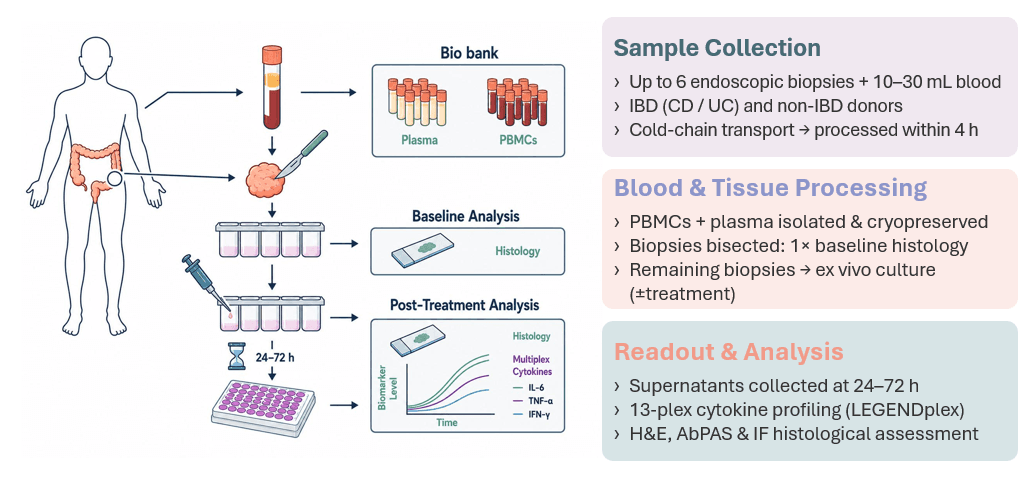
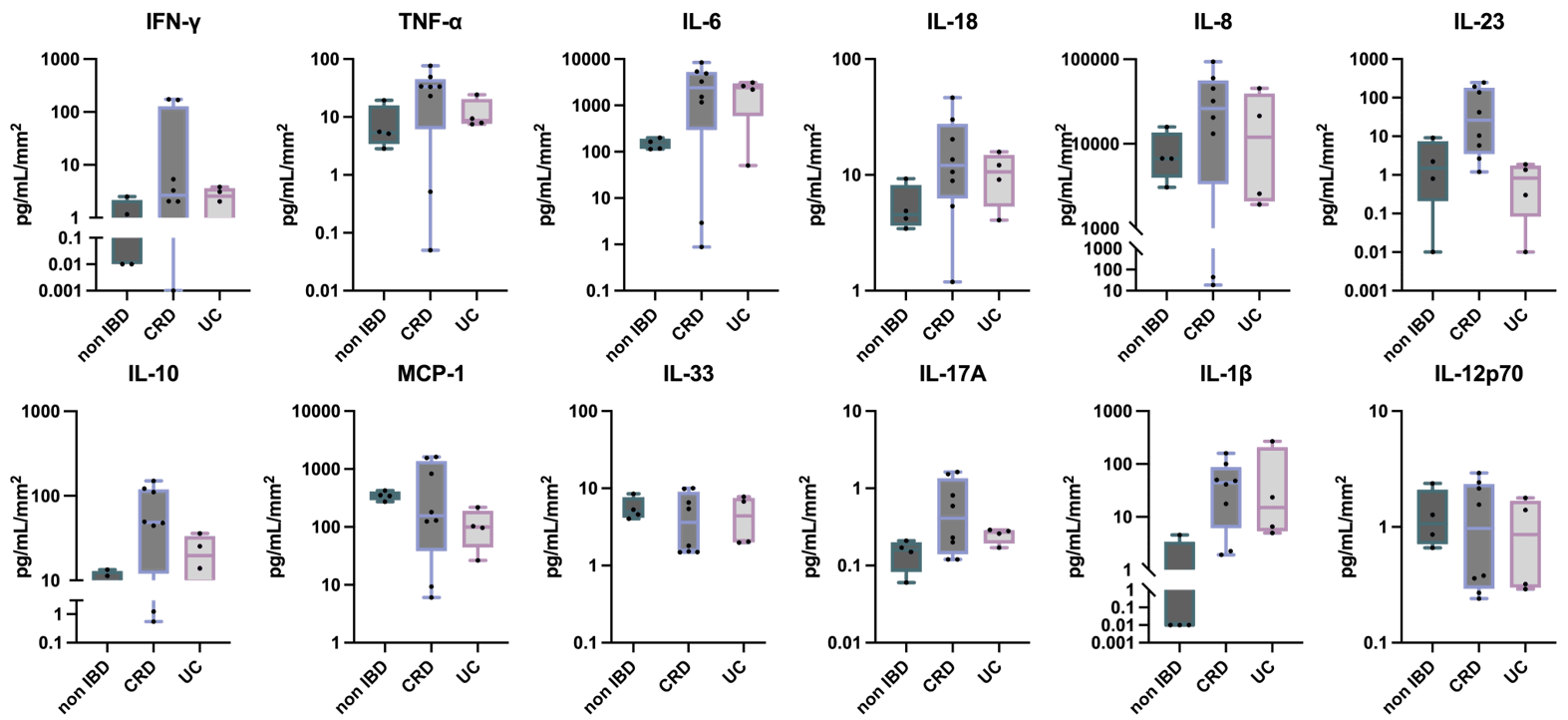
Baseline cytokine secretion by intestinal biopsies. Non-IBD, Crohn’s disease (CRD) and UC biopsies were cultured unstimulated for 24 h. Cytokines were measured by 13-plex LEGENDplex and normalised to biopsy area. IBD biopsies showed higher pro-inflammatory cytokine secretion, consistent with preserved ex vivo inflammation
Biopsies retained disease-associated inflammatory profiles ex vivo, with pronounced TNF-α production in CD samples. The activation cocktail increased TNF-α secretion, while adalimumab reduced it.
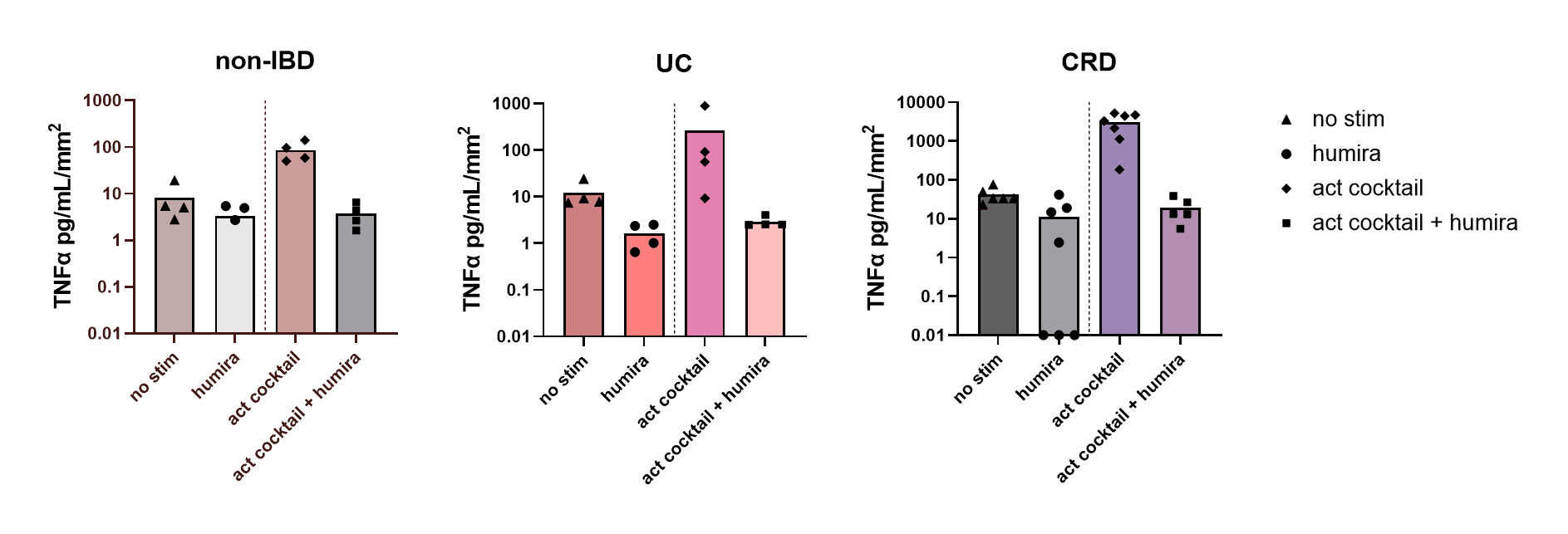
Adalimumab reduced TNF-α both alone and following inflammatory activation, consistent with TNF-α neutralisation. Biopsies from non-IBD (n=2), UC (n=2) and CRD (n=4) donors were cultured ex vivo for 24 h unstimulated, with adalimumab, with an inflammatory activation cocktail, or with the cocktail plus adalimumab. TNF-α in supernatants was measured by LEGENDplex and normalised to biopsy area (pg/mL/mm², log scale).
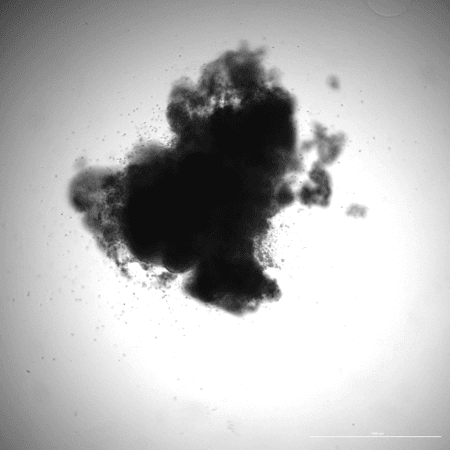
Example of biopsy explant
Key finding: TNF-α rose with the activation cocktail in all donor groups, most strongly in Crohn's disease, and adalimumab reduced it, confirming pharmacological responsiveness of the model.

Access the slides
🗓️ Stay informed with our monthly scientific newsletter, published on LinkedIn on the last Wednesday of each month.
These editions bring you the latest in drug development breakthroughs, industry trends, and expert insights from the brilliant minds at RoukenBio.
Subscribe today on LinkedInLearn how human-relevant ex vivo assays can be applied to investigate disease mechanisms, evaluate therapeutic candidates, and support decision-making in IBD drug discovery.


 Insights