
Dr Mara Gilardi
Senior Director Scientific Alliances

Dr Luke Muir
Associate Scientific Director (Immuno-oncology)
Dr Emilio Cosimo
Scientific Director of Innovation

 Research Posters
|
November 10, 2026
|
5 min read
The Problem: ADC candidates are often selected using binding and tumour-cell cytotoxicity alone. This can miss meaningful differences in intracellular delivery, antigen-density dependence, bystander activity, Fc-mediated immune mechanisms, and performance in a human tumour microenvironment—leading to incorrect lead selection.
The Solution: Modular, human-relevant assay cascade connects target engagement to intracellular payload delivery, direct killing, primary immune-cell activity, and complex tumour microenvironment response. By integrating SPR and epitope binning, FcRn recycling, internalisation, IndEx-2 target-density models, ADCC/ADCP/complement assays, and patient-derived co-cultures, we generate a mechanism-linked profile that supports more confident ADC candidate ranking.
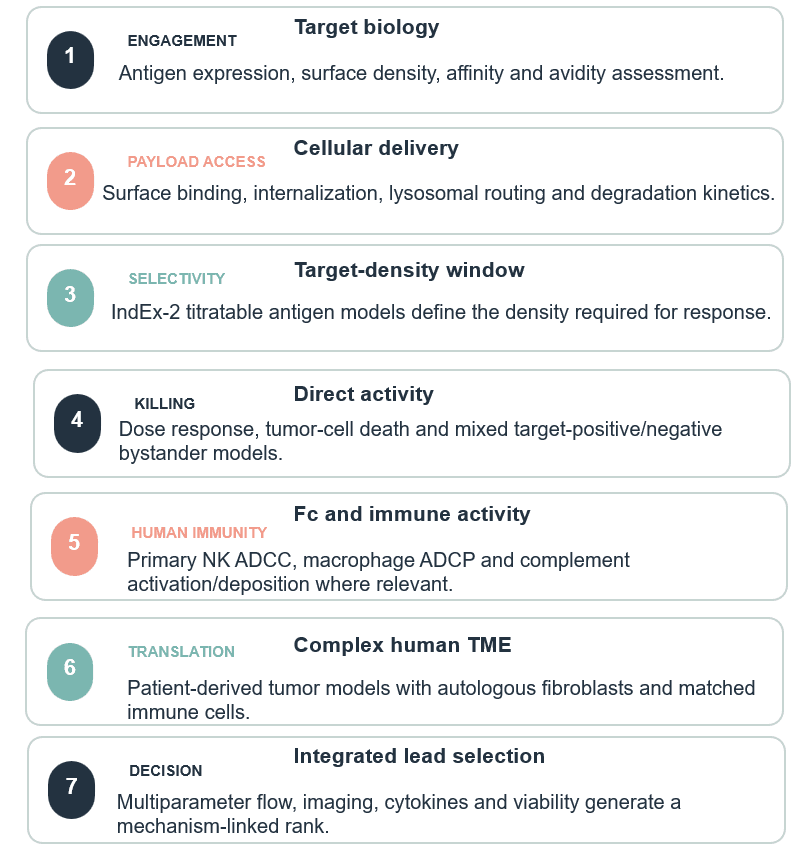
Each stage answers a distinct decision question and carries the strongest candidates into the next module.
The same candidate can move from a conventional binding and viability profile to a mechanistically differentiated profile as biological complexity increases.
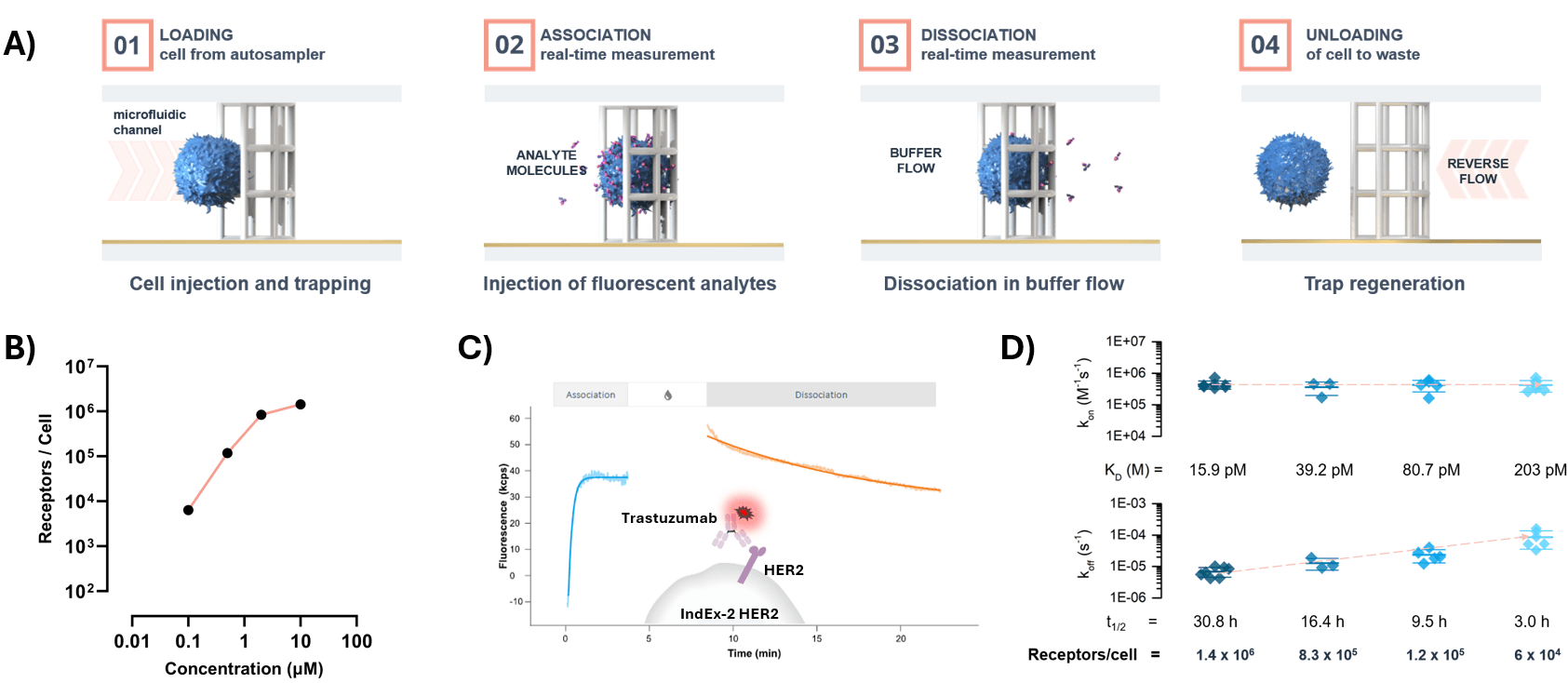
Single-cell interaction cytometry (scIC) measures antibody binding in real time (A). Combining titratable HER2 expression (B) with trastuzumab binding measurements (C) revealed slower dissociation at higher receptor abundance, with similar association rates (D). This is consistent with increased avidity, highlighting the relevance of antigen abundance to ADC targeting.
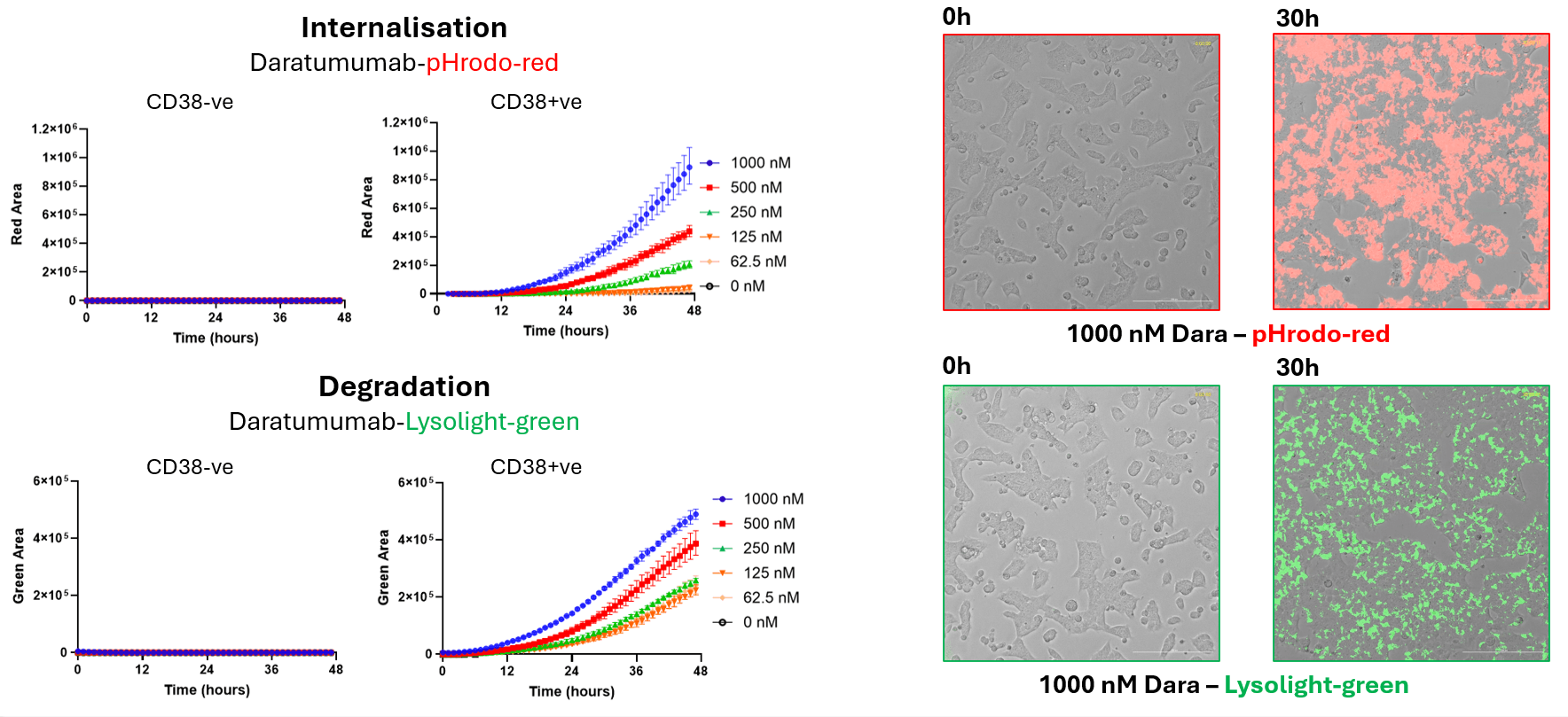
Time-resolved imaging characterises intracellular trafficking relevant to ADC payload delivery, using pHrodo Red to track entry into acidic compartments and LysoLight Green to report cathepsin B-mediated proteolysis. Controlled receptor expression in HEK293 IndEx2 cells enables assessment of concentration- and receptor-dependent kinetics over 48 hours.
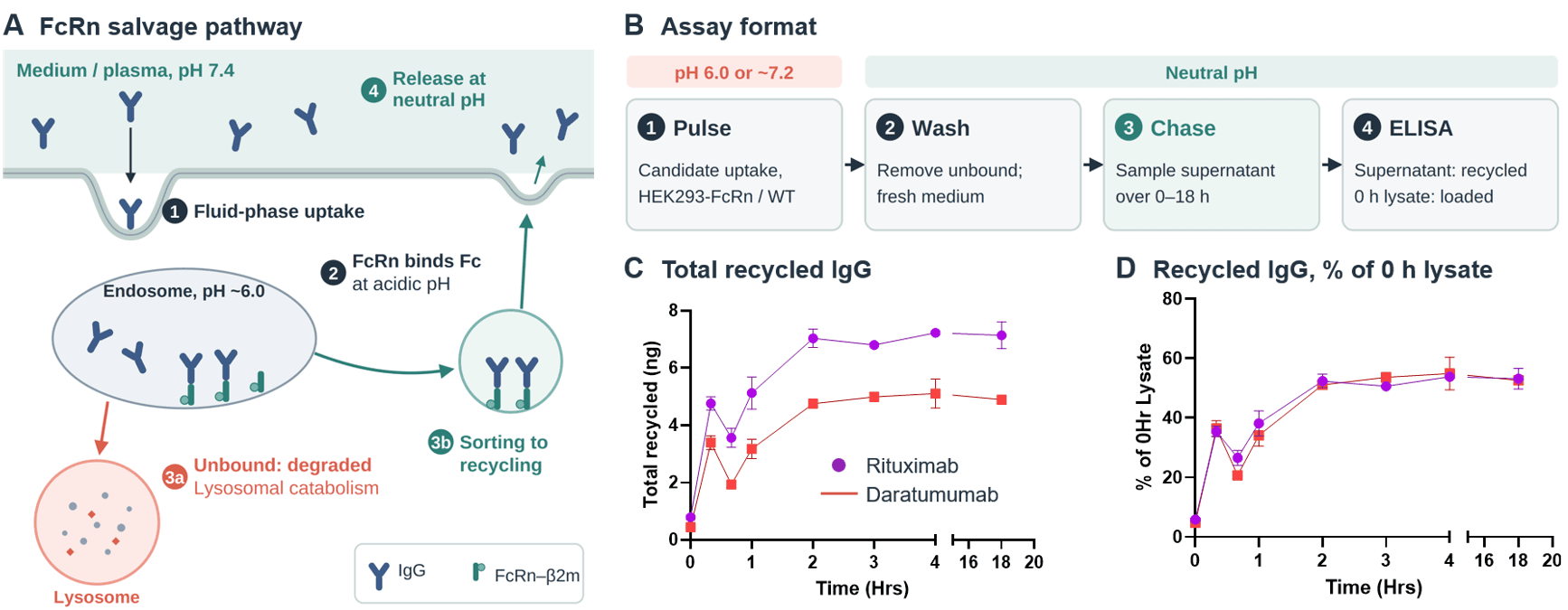
(A) Internalized IgG that binds FcRn in acidic endosomes is recycled and released at neutral pH; unbound IgG is routed to lysosomes and degraded. (B) Candidates are pulsed onto HEK293-FcRn cells, washed, and recycled IgG is quantified by ELISA in neutral-pH supernatant over 18 h. (C) Recycled rituximab and daratumumab (uptake at ~pH 7.2) plateaued within 2–4 h and were stable to 18 h. (D) Normalised to cell-associated IgG at 0 h, both converged at ~50–55% recycled, indicating that the difference in (C) reflects uptake rather than recycling efficiency. Concentration 500 nM.
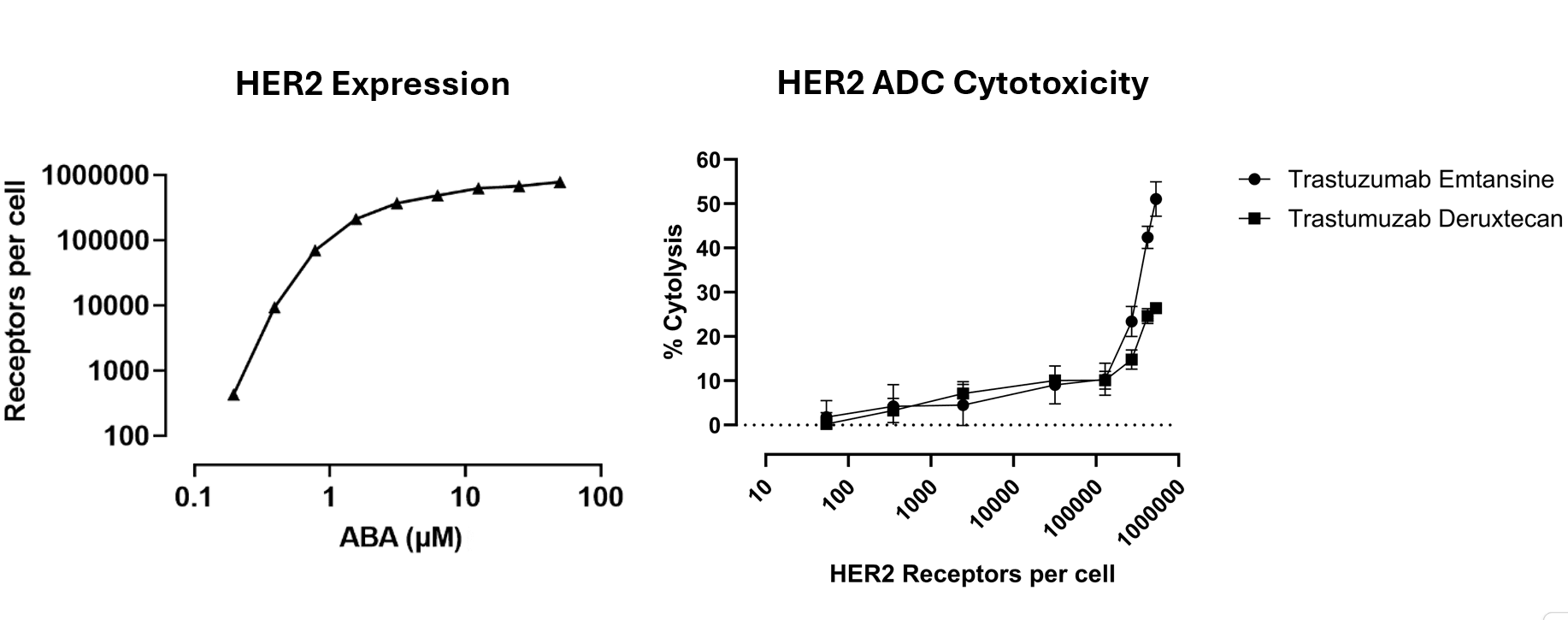
By varying receptor density within an otherwise identical cellular background, IndEx-2 enables precise evaluation of antigen density requirements for therapeutic response. Using this approach, differences in anti-HER2 ADC activity were readily distinguished, with Trastuzumab Emtansine reaching ~50% killing at the highest HER2 density tested, compared to less than 30% killing for Trastuzumab Deruxtecan.
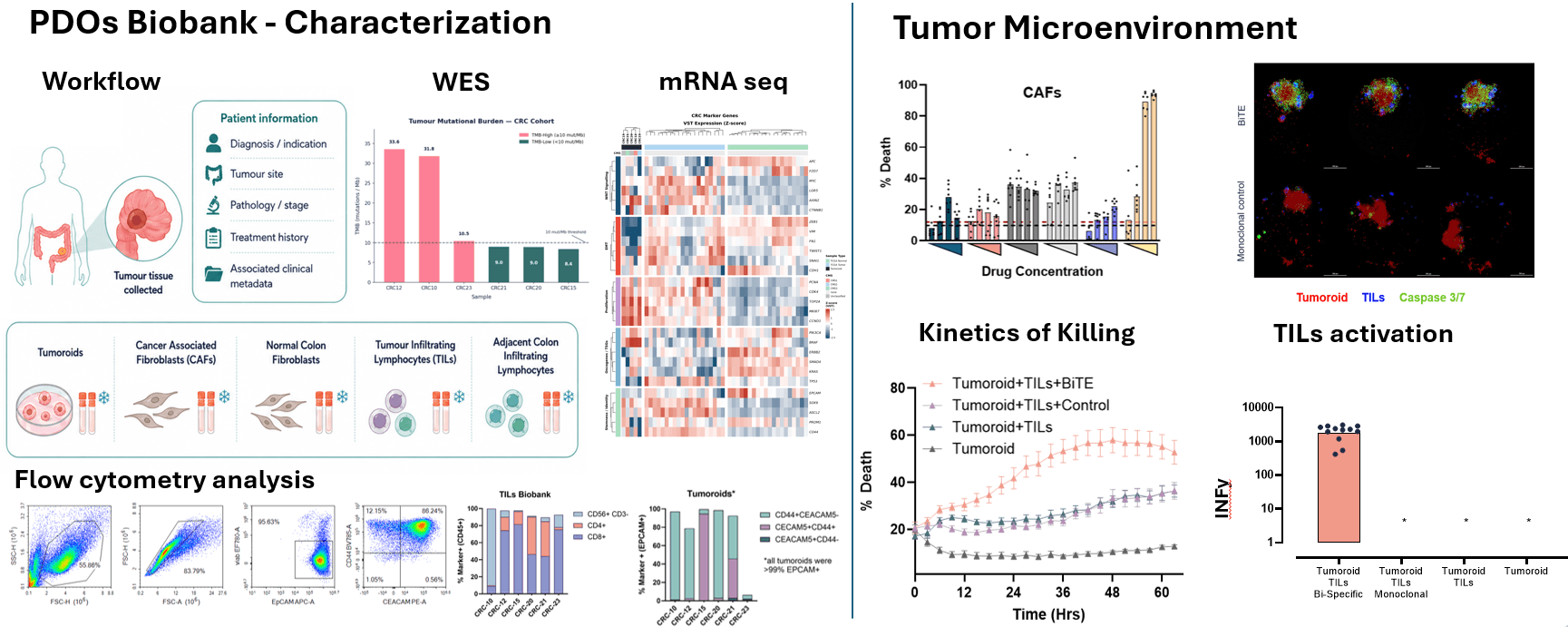
CRC PDO Biobank: A molecularly and clinically characterized collection of patient-derived CRC tumoroids with matched TILs (Tumour infiltrated T cells), CAFs (cancer associated fibroblasts) and healthy tissue counterparts. Integrated WES, RNA-seq protein-expression and clinical data enable biomarker-driven patient selection, while mono- and autologous co-culture models support kinetic assessment of tumour killing, payload sensitivity, bystander activity and TME-dependent therapeutic response.
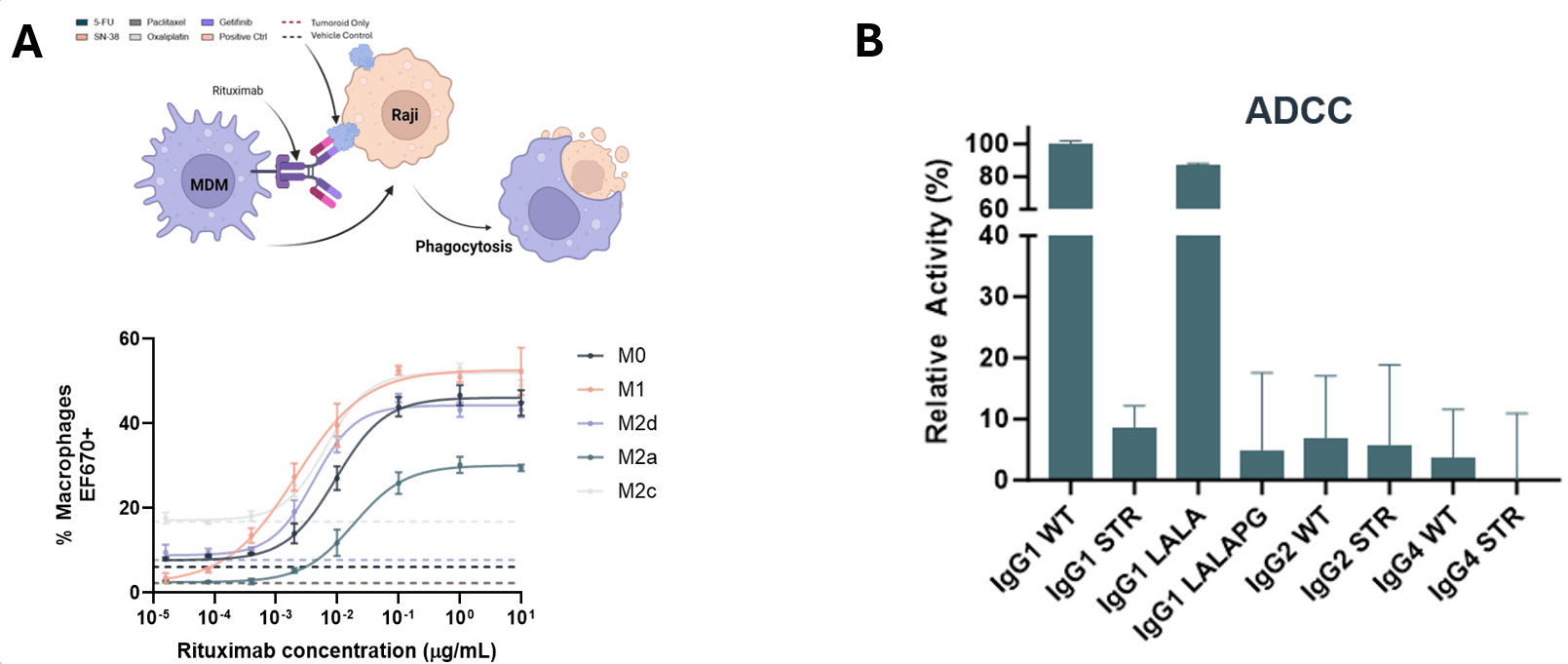
Fc-dependent immune activity was characterised using primary human ADCP and ADCC assays. (A) ADCP was assessed using eFluor670-labelled target cells and M0, M1, M2a, or M2d monocyte-derived macrophages. (B) ADCC was measured in PBMC or whole-blood effector-cell formats. Fc-engineered variants can be compared directly to quantify the impact of Fc enhancement or silencing on immune-cell engagement. Customer-specific targets can be incorporated to support selection of Fc designs that retain, enhance, or eliminate effector function. Studies are supported by a large bank of recallable cryopreserved PBMC donors with known Fcγ receptor genotypes.
A human-relevant ADC cascade links candidate design to the biological conditions required for a durable response.
The strongest lead is supported by evidence across the complete biological path, rather than a single endpoint.
How does each candidate behave as we move from a controlled antigen-density experiment to the complexity of human biology?
A decision framework for ADC lead selection
Explore RoukenBio’s advanced assays, cellular models and scientific expertise, and discover how we can support your programme from early characterisation through to lead selection.

Access our Brochure
🗓️ Stay informed with our monthly scientific newsletter, published on LinkedIn on the last Wednesday of each month.
These editions bring you the latest in drug development breakthroughs, industry trends, and expert insights from the brilliant minds at RoukenBio.
Subscribe today on LinkedIn
 Whitepapers
 Insights