Granulocytes are key effector cells in allergic disease, inflammation, host defence, and immune regulation. At RoukenBio, we develop bespoke granulocyte assays using human-relevant models to evaluate candidate therapeutics, characterize mechanisms of action, and generate decision-enabling data for discovery and translational research programmes.
Our expertise spans mast cells, eosinophils, and basophils, enabling the design of tailored assay strategies aligned to your target biology, therapeutic modality, and development objectives. Whether you are assessing receptor signalling, cellular activation, mediator release, or functional pharmacology, our scientists can build assays that address the specific questions within your programme.

We design and execute customised granulocyte assays to evaluate:
Assays can be developed using primary human cells, donor-derived systems, established cell lines, or differentiated cell models depending on programme requirements.
Mast cells are tissue-resident granulocytes that play critical roles in allergic inflammation, host defence, and tissue remodelling. Located at environmental interfaces such as mucosal surfaces and the vasculature, mast cells rapidly respond to allergens, pathogens, and other immune stimuli. Activation through FcεRI-bound IgE triggers degranulation and the release of histamine, lipid mediators, proteases, cytokines, and chemokines that shape local and systemic inflammatory responses.
RoukenBio develops mast cell assays using established cell lines, primary cells, and differentiated mast cell models derived from progenitor populations. Our platforms enable detailed evaluation of mast cell activation pathways, mediator release, receptor signalling, and therapeutic modulation, supporting programmes targeting allergic disease, inflammation, and immunological disorders.
Eosinophils contribute to host defence against multicellular parasites and are important effector cells in allergic inflammation, asthma, and eosinophilic disorders. Upon activation, eosinophils release cytotoxic granule proteins, lipid mediators, cytokines, and reactive oxygen species, contributing to both protective immunity and tissue pathology.
Our eosinophil assay capabilities support the investigation of eosinophil activation, migration, degranulation, and survival pathways. These models can be applied to evaluate therapeutic candidates targeting eosinophil biology across a range of inflammatory and immune-mediated diseases.
Basophils are the least abundant circulating granulocyte population yet play important roles in type 2 immunity, allergic inflammation, and host defence. Similar to mast cells, basophils express FcεRI and respond to IgE-mediated activation through the release of histamine and immunomodulatory cytokines, including IL-4 and IL-13. They also respond to a range of innate immune stimuli, contributing to the initiation and amplification of inflammatory responses.
Our expertise helps overcome the technical challenges associated with working with low-frequency human basophil populations.
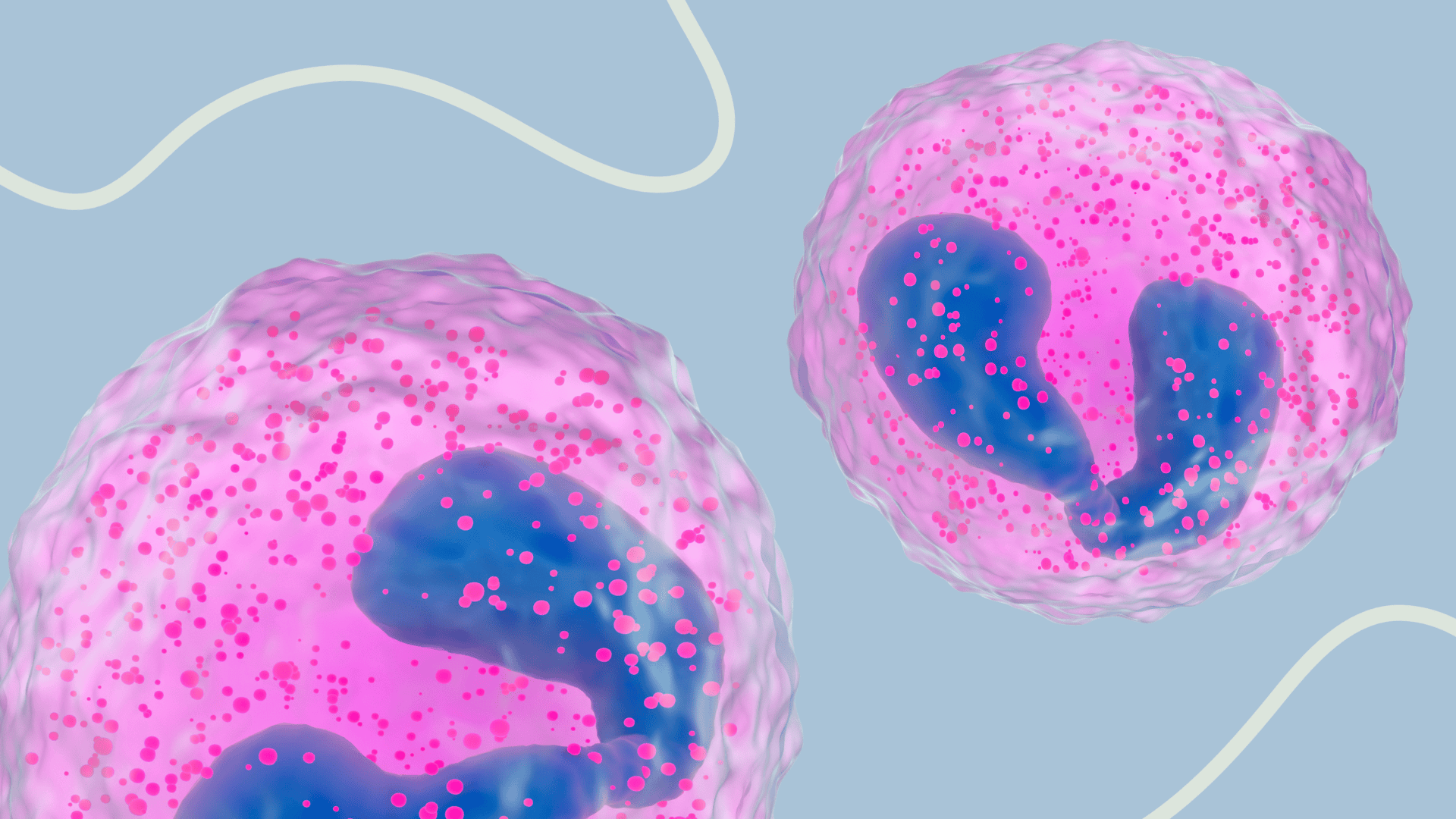
Granulocytes integrate signals from antibodies, complement pathways, cytokines, and pattern recognition receptors, making them highly relevant for evaluating therapeutics across multiple immune mechanisms. Our assay platforms can be tailored to support:
By combining deep expertise in granulocyte biology with human-relevant experimental systems, RoukenBio delivers bespoke assay solutions designed to generate high-quality data and accelerate programme decision-making.
Granulocyte biology can be technically challenging, particularly when human relevance and translational insight are critical. Our scientists work closely with clients to design bespoke assay strategies that align with programme objectives, therapeutic mechanisms, and key development milestones. Speak with our team to discuss how our granulocyte assay capabilities can support your research.

Our granulocyte assay services support biotech and pharmaceutical companies developing therapies for autoimmune disease, inflammation, oncology, infectious disease, and immune-mediated disorders. We provide scientifically robust, translationally relevant assays using primary human granulocytes, whole blood systems, and advanced imaging and flow cytometry platforms.
We provide a comprehensive portfolio of granulocyte functional assays, including:
Assays can be customised to support discovery, translational, and preclinical therapeutic programs.
